Dress Diplomacy: Chinese-Made Outfit Sparks Irony in U.S.-China Trade Standoff

As U.S.-China trade tensions grow more intense, a surprising controversy has emerged—not over policy, but fashion. White House spokesperson Karoline Leavitt found herself at the center of online backlash after being seen wearing a red top reportedly manufactured in China during a recent press conference. The outfit, identified as a piece by British label Self-Portrait and designed by Chinese-Malaysian designer Han Chong, gained viral attention on Chinese platforms like Weibo and Xiaohongshu, turning her wardrobe into a political talking point.
The firestorm began when Zhang Zhisheng, China’s Consul General in Bali, claimed on X (formerly Twitter) that a Chinese factory worker recognized the black lace details of the dress as their own work. Zhang’s post included photos of Leavitt and sarcastically stated, “Accusing China is business. Buying from China is life.” The comment, coupled with images and screenshots, fueled widespread reactions and laughter across Chinese social media.
Many online users wasted no time in labeling Leavitt a hypocrite, ridiculing her for wearing a Chinese-made garment amid ongoing anti-China rhetoric. The incident became a symbol of the paradoxical economic entanglement between the U.S. and China. Comments like “The joke wrote itself” and “This is peak irony” reflected how netizens saw her outfit as a metaphor for the interdependence between the two rivals, even in the middle of a tariff war.
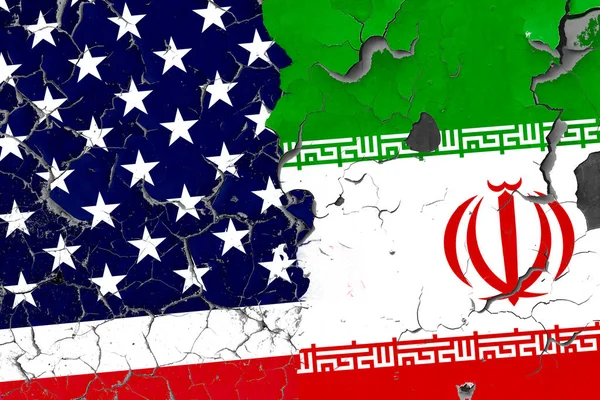
Coincidentally, the viral moment came on the heels of escalating trade actions. On April 2, former President Donald Trump announced extensive tariffs impacting over 180 countries, with China facing a specific 34% rate on top of a general 10% import tax. China retaliated swiftly with equivalent tariffs, prompting Trump to raise them again. The trade tit-for-tat continued as Chinese President Xi Jinping’s administration responded firmly, stressing that while China does not seek confrontation, it will not shy away from it.
Leavitt’s fashion faux pas inadvertently highlighted the very complexity of global commerce that trade policies try to control. While political rhetoric pushes for separation, consumer behavior—and even official wardrobes—reveal how deeply the two superpowers remain economically linked. Her dress, more than just fabric and design, became an unexpected symbol of the contradictions within the current U.S.-China economic standoff.
What's Your Reaction?