U.S. Faces Legal and Technical Challenges Over Qatar's Presidential Jet Gift

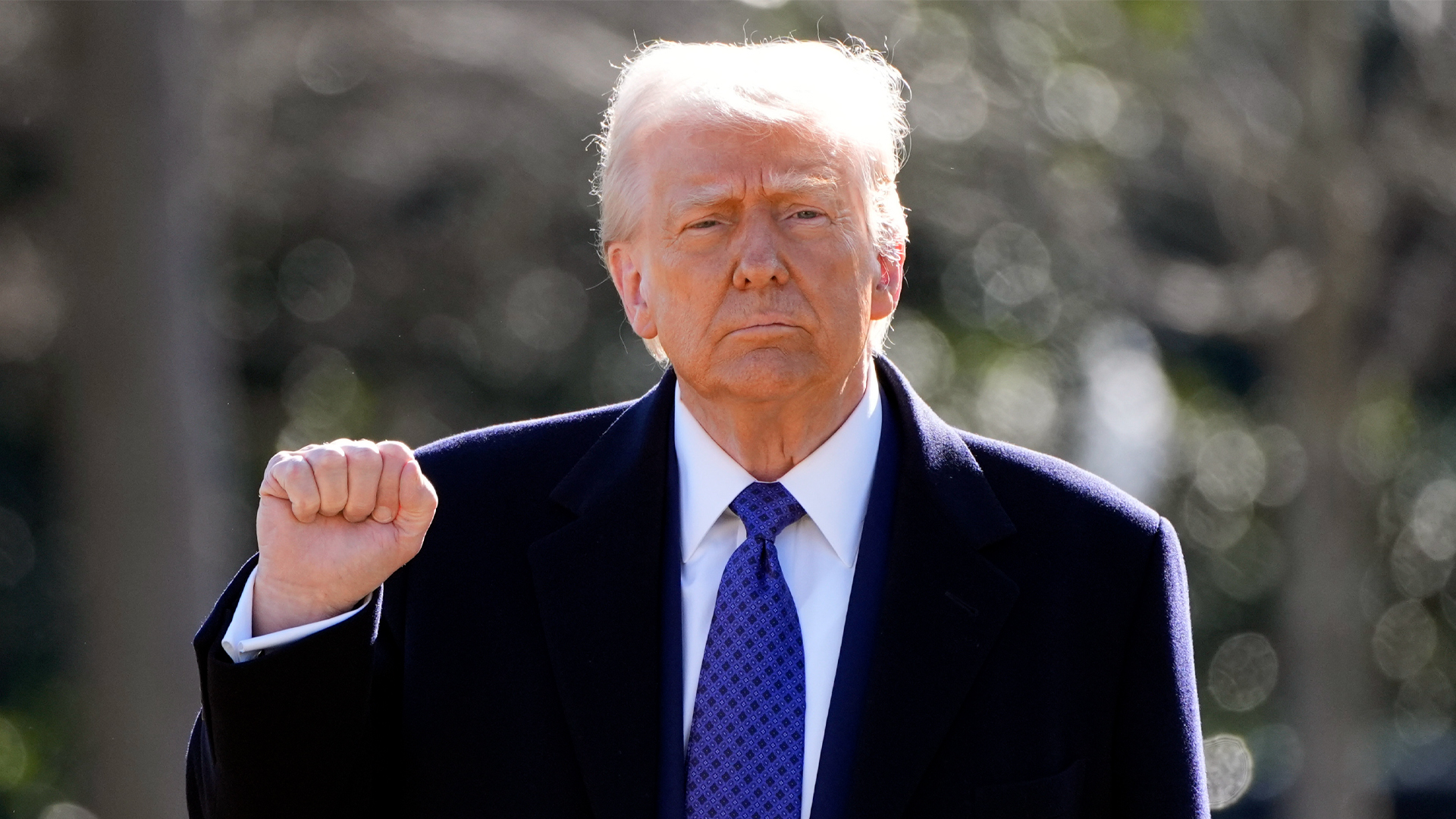
The United States has formally accepted a Boeing 747-8 luxury jet from Qatar, which former President Donald Trump suggested could serve as a future presidential aircraft. Although Trump emphasized that rejecting such a gift would be foolish, officials warn that significant hurdles remain before the jet could be used in such a capacity.
According to an anonymous Air Force spokesperson, the military is preparing to award a contract to modify the plane, a process shrouded in secrecy due to classified details. The spokesperson also stressed that turning the luxury jet into a fully functional presidential aircraft would involve major upgrades, particularly to meet Air Force One standards.
Experts agree that the transition from commercial luxury aircraft to Air Force One requires immense structural and technological work. Aviation analyst Richard Aboulafia called Trump’s plan unrealistic, stating that retrofitting the plane with the necessary security, communication, and defense systems could cost up to a billion dollars.
Democratic lawmakers and watchdog groups have raised constitutional concerns. They argue the jet violates the Foreign Emoluments Clause, which restricts federal officials from accepting gifts from foreign governments without Congressional approval. The White House claims the gift was made to the Department of Defense and will follow all legal protocols.
Currently, two Boeing 747-8 aircraft are being modified to replace the aging Air Force One fleet. Originally initiated during Trump's first term with a $3.9 billion deal, the project has faced delays and budget complications. The new jets were expected to be ready last year but remain incomplete.
Despite the Qatari plane's opulence, experts argue it lacks the infrastructure needed to function as the airborne command center that Air Force One demands. As Doug Birkey of the Mitchell Institute put it, the presidential jet must be capable of conducting all executive functions even in wartime scenarios, necessitating advanced shielding and command systems.
Birkey emphasized that installing high-end defense mechanisms, from anti-missile systems to nuclear protection, involves deconstructing large sections of the aircraft. These modifications are not only technically daunting but also extremely costly and time-consuming.
Although Trump proposed housing the plane in his presidential library post-office, the idea of using it during his presidency has ignited controversy. Critics maintain that even a "free" plane will ultimately burden taxpayers significantly due to the extensive retrofitting required.
The debate continues, as officials weigh legal implications, logistical feasibility, and public scrutiny. Whether the jet ever ascends as Air Force One remains uncertain, caught between political ambitions and grounded reality.
What's Your Reaction?