Lawrence Wong’s Resounding Victory Sets Course for Singapore Amid Global Uncertainty
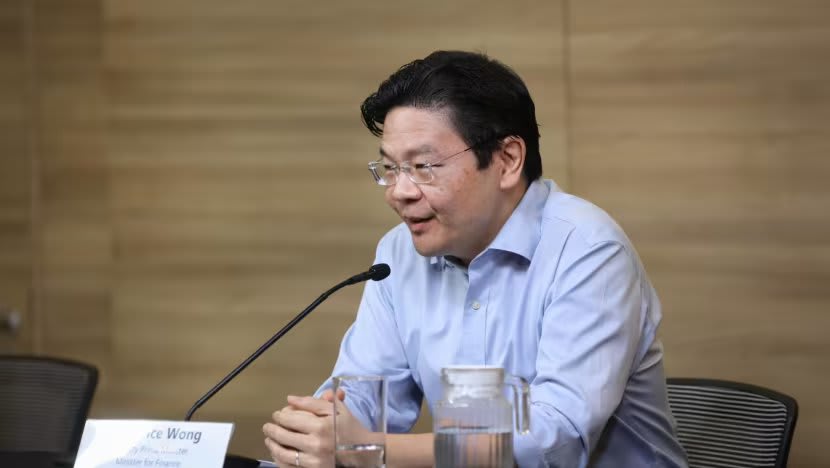
In a powerful reaffirmation of public trust, Singapore’s People’s Action Party (PAP) clinched a sweeping win in the nation’s 14th general election, securing 87 out of 97 seats and reappointing Lawrence Wong as prime minister. This election, held against a backdrop of global economic turmoil, also saw the Workers’ Party maintain its 10-seat presence. Despite mandatory voting laws, voter turnout hit a record low of 92.47%, with five PAP candidates running uncontested after Nomination Day on April 23.
The 2025 election marked Wong’s first as prime minister, and he led the PAP to an improved national vote share of 65.57%, a significant rise from the 61.2% recorded in 2020. Wong’s achievement stands out in the party’s history, as past leadership transitions in 1990 and 2004 were followed by vote share declines. His campaign was shaped by concerns over cost of living, job security, and sustainable economic growth.
Wong officially succeeded Lee Hsien Loong in May 2024. Lee now serves as Senior Minister, continuing his long-standing involvement in government. The PAP has ruled Singapore continuously since 1959, first under British self-governance and then post-independence from 1965. Following the election, Wong expressed gratitude for the mandate, stating it offered “a clear signal of trust, stability, and confidence” in his leadership during a turbulent time.
The international community swiftly responded to the results. The U.S. State Department extended congratulations, emphasizing the intent to strengthen ties in trade and defense. Similarly, European Commission President Ursula von der Leyen praised the EU’s expanding cooperation with Singapore across multiple sectors, including innovation and security.
Domestically, Singapore’s economic outlook remains fragile. In April, authorities revised the nation’s GDP growth forecast down to 0%-2%, and first-quarter growth underperformed at 3.8%. With slowing momentum, the Monetary Authority of Singapore has already eased policy twice this year in a bid to cushion the economy from further shocks.
Prime Minister Wong has not shied away from these challenges. He previously warned that a recession could hit in 2025 and established a special task force led by Deputy Prime Minister Gan Kim Yong. The initiative aims to support local businesses and workers facing pressures from global trade disruptions—especially recent tariffs from the United States.
In a recent discussion with U.S. Commerce Secretary Howard Lutnick, Gan pushed for greater flexibility on pharmaceutical exports and collaboration on AI chip controls. However, Lutnick clarified that the 10% tariff imposed in April by the Trump administration was broad in nature and unlikely to be altered. Despite having a longstanding free trade agreement with the U.S., Singapore was not exempt from the new tariff structure, adding urgency to the task force’s efforts in navigating the uncertain economic road ahead.
What's Your Reaction?