Thai Skyscraper Tragedy Sparks 17 Arrest Warrants After Earthquake
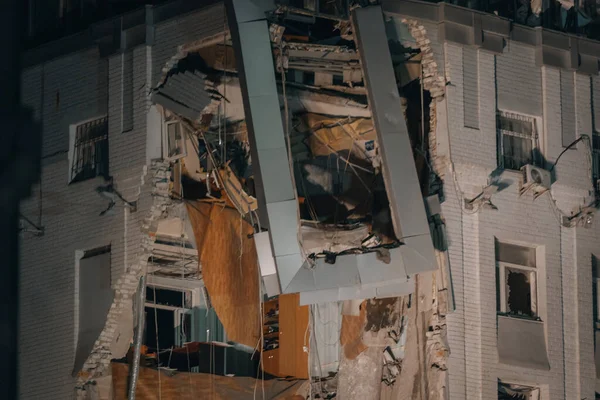
Seventeen individuals are now facing arrest in Thailand following the devastating collapse of a skyscraper in Bangkok linked to a powerful earthquake. The building, a 30-storey structure designated to house the State Audit Office, crumbled during seismic tremors caused by a magnitude 7.7 earthquake in Myanmar. Police say those wanted were involved in the tower's planning, construction, and site management.
The tower was located near Chatuchak market, a well-known Bangkok attraction, and had been under construction for three years. It cost over 2 billion baht (about $59 million) and was made of glass and steel. It was the only major structure in the capital to suffer total collapse during the quake, raising serious concerns about its safety standards.
At the time of the disaster, more than 400 workers were present at the site. Rescue teams deployed sniffer dogs, drones, cranes, and excavators to sift through the rubble. Authorities have so far recovered 89 bodies, while seven individuals are still missing. The incident has drawn national grief and international attention.
One of the individuals named in the arrest warrants is Premchai Karnasuta, a prominent Thai businessman and former head of Italian-Thai Development PLC. The construction firm is among Thailand’s largest and most influential. Police have not yet released the names of the other suspects but confirmed they played key roles in the failed project.
Thai media reported that structural flaws had been found in the building’s elevator shaft. Although the final government report on the cause of the collapse has not been published, preliminary investigations suggest critical failures in design and supervision. This has triggered calls for stricter enforcement of building regulations and accountability in the construction sector.
Despite the intense tremors from the earthquake, most other buildings in Bangkok suffered only minor damage. Shocking videos showed rooftop pools spilling water and tall buildings swaying, but no other collapses were recorded. The skyscraper's failure has therefore been viewed as a glaring exception and a preventable tragedy.
The earthquake that struck Myanmar on March 28 resulted in over 3,000 deaths and injured more than 4,500 people. Its shockwaves extended into Thailand and southwest China. The collapse of the tower in Bangkok has become a powerful example of what can happen when construction oversight is compromised in vulnerable regions.
What's Your Reaction?