Supreme Court Allows Trump to Terminate Migrant Parole Program, Putting Thousands at Risk
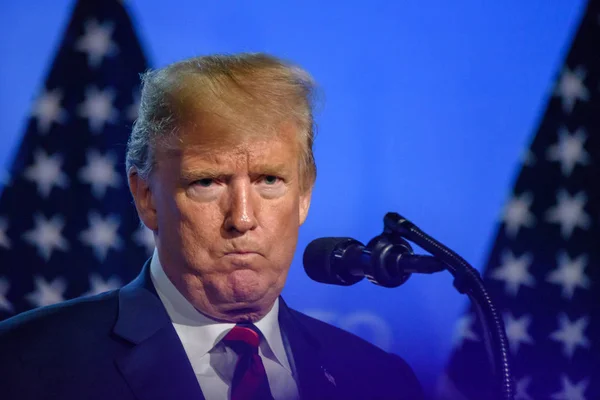
The U.S. Supreme Court has given the Trump administration the authority to terminate a key immigration program protecting over 500,000 migrants. Known as the CHNV humanitarian parole, the program was initiated by the Biden administration and allowed migrants from Cuba, Haiti, Nicaragua, and Venezuela to temporarily live and work in the U.S. The court’s decision overturns a Massachusetts judge’s earlier ruling that had blocked the program’s termination.
The CHNV program offered migrants a two-year stay based on urgent humanitarian reasons or significant public benefit. It aimed to help those fleeing economic collapse, political instability, and violence in their countries. The Trump administration challenged the program’s legality and filed an emergency appeal with the Supreme Court, which has now ruled in its favor. This decision could lead to mass deportations and disrupt thousands of lives.
In her dissent, Justice Ketanji Brown Jackson criticized the court's order, joined by Justice Sonia Sotomayor. Jackson argued that the ruling would devastate migrant families before their legal claims could be properly heard in court. She warned that this decision allows government action to proceed unchecked, placing immense hardship on already vulnerable individuals seeking refuge.
Trump’s stance on immigration has been clear since day one. On the day he took office, he signed an executive order directing the end of humanitarian parole programs. This plan was set into motion in March when Homeland Security Secretary Kristi Noem formally announced the cancellation of the CHNV initiative. The administration views these programs as a loophole in the immigration system.
In response to the ruling, White House Deputy Chief of Staff Stephen Miller told CNN that the administration welcomed the decision and referred to the migrants as “invaders.” His statement was condemned by immigrant rights organizations, who said the language was inflammatory and disrespectful to people fleeing life-threatening conditions. Advocacy groups continue to challenge the policy shift in court.
The decision comes shortly after another Supreme Court ruling that allowed Trump officials to revoke Temporary Protected Status (TPS) for approximately 350,000 Venezuelan migrants. Together, these moves represent a sharp reversal of humanitarian protections and signal a shift in the legal landscape for migrants. Critics argue that these rulings disregard international obligations and moral responsibilities.
Humanitarian parole has historically provided safe haven for those fleeing war and oppression, including Cuban refugees in the 1960s and Ukrainians escaping the Russian invasion in 2022. The current ruling places the future of such programs in jeopardy. As legal battles escalate and deportations loom, the lives of over half a million people hang in uncertainty, caught between politics and survival.
What's Your Reaction?