Gaza Conflict Spurs Global Alarm Over Civilian Toll and Legal Breaches

War is governed by rules meant to shield innocent lives. International humanitarian law, particularly the Geneva Conventions, outlines strict protections for civilians, medical staff, and aid operations during conflict. These standards are universal and binding, applying even in the gravest wartime scenarios.
The Hamas-led assault on Israel on October 7, 2023, was unprecedented in its brutality, resulting in 1,200 deaths and over 250 hostages. Yet even such a devastating attack does not permit unchecked retaliation. Under international law, Israel must still distinguish between combatants and civilians and ensure that its actions remain proportionate and lawful.
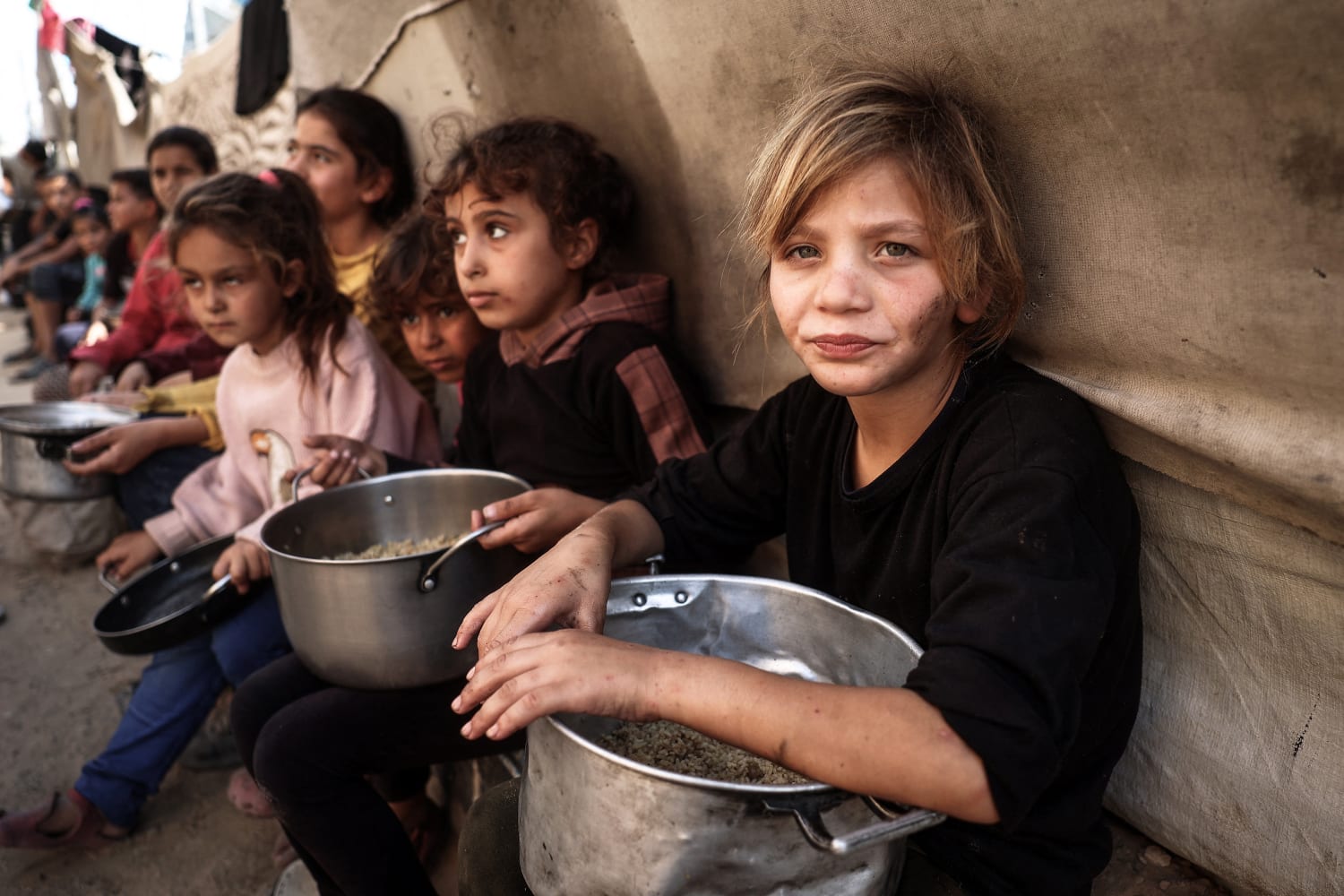
Since then, however, Gaza has endured relentless bombardment, with civilians suffering immensely. Entire neighborhoods have been reduced to rubble, while access to essential services like electricity, water, and healthcare has collapsed. Aid agencies report alarming levels of displacement, hunger, and injury, fueling accusations that Israel's campaign is disregarding legal obligations.
Independent reporting has been limited, as foreign journalists are largely kept out of Gaza. This has hindered efforts to verify events on the ground and allowed suspicions to grow. More than 180 journalists have been killed during the conflict, many of them Palestinian, further darkening the fog surrounding the humanitarian crisis.
Prominent legal scholars and international organizations have raised serious concerns. While Israel retains the right to defend itself, critics argue that the methods employed—particularly in heavily populated areas—may violate the laws of war. These laws prohibit indiscriminate attacks and demand the protection of civilian life, even when fighting militant groups embedded in urban areas.
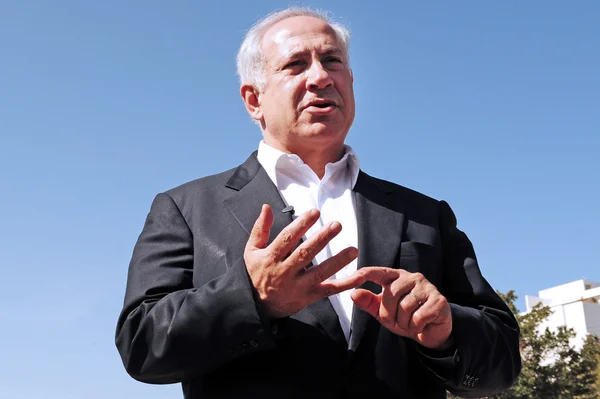
Political motives may also be shaping the course of the conflict. Israeli Prime Minister Benjamin Netanyahu is under intense domestic scrutiny, with some alleging that prolonging the war serves his political interests. His reluctance to engage with independent media and growing international criticism have only intensified calls for greater transparency.
The International Criminal Court has taken action, issuing arrest warrants for Netanyahu and several Hamas leaders over alleged war crimes. Simultaneously, South Africa’s genocide case against Israel at the International Court of Justice highlights the depth of international unease regarding the scope and scale of destruction in Gaza.
Death toll estimates from Gaza's health ministry suggest over 54,600 people have died and more than 125,000 have been injured. While Israel disputes the reliability of these numbers, given Hamas’s influence over the data, consistent reporting over time and verification by aid organizations lend credibility to the figures.
Children have suffered enormously. Reports from UNICEF and The Lancet describe thousands of child casualties, with many suffering life-changing injuries or becoming orphans. At least 14,500 children are believed to have died, and countless others are traumatized or missing. The collapse of Gaza’s healthcare system means many injuries go untreated and many deaths unrecorded.
Aid access remains a severe problem. Israel has restricted the entry of humanitarian supplies, drawing condemnation from global institutions. Israeli officials have openly discussed using these restrictions to pressure Hamas, but international law views the denial of essentials like food and medicine as a grave violation that could amount to collective punishment.
Mirjana Spoljaric, president of the International Committee of the Red Cross, described conditions in Gaza as “beyond hell” after her visit. She warned that the erosion of wartime legal norms threatens to set a dangerous precedent. If global powers ignore violations in Gaza, they risk weakening international law everywhere.
Spoljaric emphasized the importance of equal application of humanitarian law. Civilians in Gaza deserve the same protection and compassion as those in any other conflict zone. Ignoring or downplaying their suffering risks introducing double standards that could unravel the very foundation of international legal norms.
Neutrality, she argued, should never mean silence. The ICRC’s mandate includes both humanitarian relief and the defense of the laws that govern war. Their growing alarm underscores how serious the situation in Gaza has become—not just as a humanitarian tragedy but as a potential turning point in the global order.
The declared goal of Israel’s military campaign is the dismantling of Hamas and its governing infrastructure. However, critics question whether the destruction wrought upon Gaza’s civilian population can ever be justified. The long-term cost to lives, infrastructure, and regional stability may outweigh any strategic gains.
The conflict has also strained Israel’s relationships with key allies. While initial support was strong following the Hamas attacks, the prolonged war and escalating civilian casualties have led countries like Canada and several EU members to call for restraint and adherence to international law. Diplomatic patience is wearing thin.
Legal scholars warn that how Israel conducts its war matters as much as why it fights. The rules of armed conflict were established to protect human dignity amid chaos. Violating those principles threatens not only the lives of civilians in Gaza but the integrity of the entire international legal system.
What happens next in Gaza will shape global perceptions of justice, war, and the rule of law. The world now faces a choice: uphold the protections designed to shield civilians from war’s horrors—or risk allowing them to vanish in the rubble.
What's Your Reaction?