Bill Gates Plans to Leave Riches Behind: Foundation to End by 2045
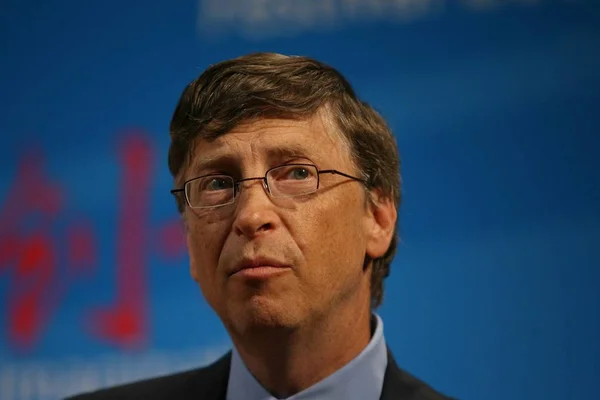
In a bold and historic move, Bill Gates has committed to donating nearly his entire fortune and officially closing the Bill & Melinda Gates Foundation within the next two decades. In a personal blog post released Thursday, the 69-year-old Microsoft co-founder said he refuses to be remembered simply as a wealthy man. Instead, he wants his legacy to reflect the positive global change he has helped spark through philanthropy.
Since its inception in 2000, the Gates Foundation has granted over $100 billion to causes such as disease eradication, global health, education, and poverty reduction. Gates now plans to raise the foundation's annual budget from $6 billion to $9 billion and aims to distribute another $200 billion by the year 2045. If successful, this would bring the foundation’s total lifetime giving to over $300 billion.
Among the primary goals for the foundation’s final two decades are eliminating diseases such as polio, malaria, and measles, and drastically cutting preventable deaths of mothers and young children. The foundation also intends to fund agricultural and educational projects across Africa to help communities become more self-sufficient and economically independent. Gates hopes these efforts will liberate millions from poverty.
Gates, however, expressed concern that declining global aid from governments may undermine such ambitions. He specifically noted that the U.S. and other wealthy nations have drastically reduced foreign aid budgets, leaving a massive funding gap. He cautioned that private philanthropy — no matter how well-funded — cannot single-handedly replace what governments historically contribute to international development.
Much of Gates’ philanthropic philosophy was shaped by his family. His mother, Mary Gates, believed strongly in the moral obligation of the wealthy to give back, a sentiment she repeated often. His father, Bill Gates Sr., shared the same conviction and served as co-chair of the foundation until his death in 2020. Warren Buffett, Gates’ close friend and Giving Pledge co-founder, was another powerful influence.
Gates also credits Andrew Carnegie’s 1889 essay The Gospel of Wealth for sparking a long-term reflection on giving. The essay’s famous line, “The man who dies thus rich dies disgraced,” stayed with Gates throughout his life. That sentiment now drives him to quicken the pace and expand the scope of his giving. He urged other billionaires to reflect on how their wealth could do more good, sooner.
Despite the challenges facing the world, Gates remains hopeful about the future. He pointed to technological innovation and medical advancements as potential game-changers over the next 20 years. Even if he weren’t optimistic, Gates said, philanthropy would still be his path. “I won’t use the money for luxury,” he noted. “This wealth should serve a purpose, and that purpose is to help as many people as possible.”
What's Your Reaction?