The Rise of AI Voices: Melania Trump’s Memoir Ushers in a Digital Storytelling Era
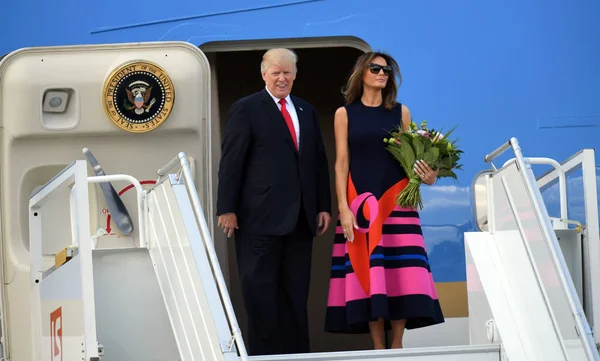
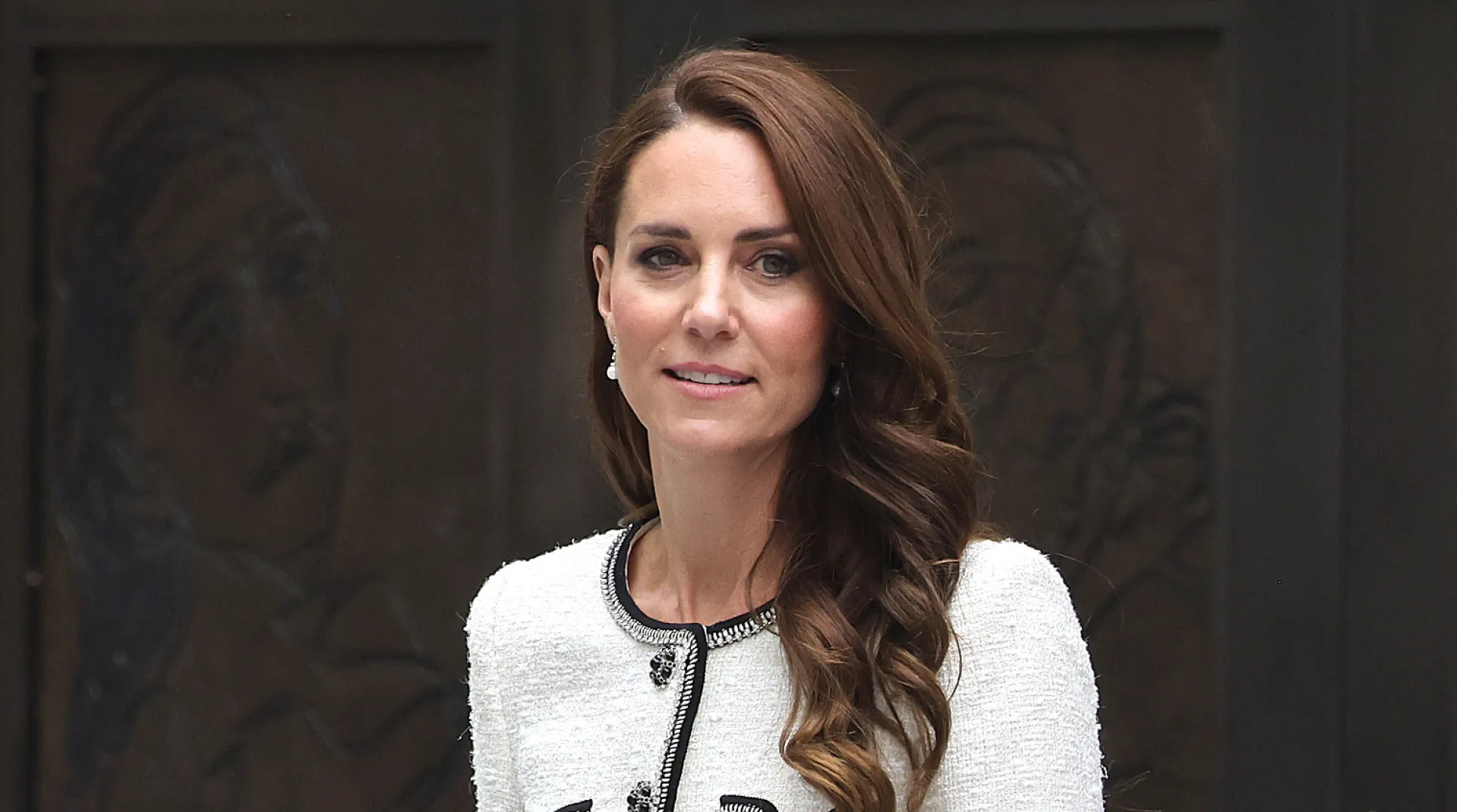
Melania Trump has introduced a bold twist to the publishing world by releasing an audiobook of her memoir narrated using artificial intelligence. Instead of recording it in her own voice, the former first lady opted for a digitally generated version of her speech, created through advanced AI voice synthesis technology that mimics her tone and intonation with stunning accuracy.
In a post on X, Melania announced, “I am honored to bring you Melania – The AI Audiobook – narrated entirely using artificial intelligence in my own voice. Let the future of publishing begin.” This move highlights her embrace of modern innovation, positioning her as a notable figure in the conversation around AI and creative industries.
The narration was produced using ElevenLabs’ AI platform, a leading name in voice replication. Her website clarifies that the synthetic voice was developed under her direction, ensuring it aligned with her standards and personal style. AI voiceovers are becoming increasingly common, thanks to rapid advances from companies like ElevenLabs and Google.
Experts say this marks a key moment in the mainstreaming of AI for creative production. While AI isn’t new to the field, Melania’s high-profile usage of it draws attention to how quickly the boundaries of technology and media are blending, especially in storytelling and publishing.
While some fear AI may take over jobs in voice acting and narration, others see it as a complement rather than a replacement. Clay Shirky of NYU emphasized that AI will likely support human creativity rather than replace it entirely, at least in the short term. He views this shift as gradual but significant.
Meanwhile, Oxford professor Alex Connock points to an inevitable transformation in employment within media fields. He argues that companies are reassessing their workforce strategies in response to the growing popularity of automation and AI-driven content creation, though predicting job loss outright remains premature.
The impact isn’t limited to books. Around the same time Melania’s audiobook was launched, Google released a more sophisticated AI video generator capable of matching audio and dialogue to specific visual contexts. This mirrors OpenAI’s earlier success with its Sora video creation tool and its viral image generator praised for Studio Ghibli-style visuals.
TV production houses are also exploring how to embed AI in their programming. Connock revealed that he's seen a spike in meetings with television executives looking to integrate virtual hosts or generate digital duplicates of popular personalities to enhance viewer interaction—tools that mirror what social media creators already use.
Oren Etzioni, former CEO of the Allen Institute for Artificial Intelligence, imagines a future where books are no longer passive experiences. He proposes the idea of interactive memoirs, where readers might soon be able to hold digital conversations with AI avatars of authors, making storytelling more immersive than ever.
Melania Trump’s AI-narrated audiobook is more than just a tech novelty; it’s a glimpse into how AI might redefine publishing, entertainment, and human-computer interaction. Her embrace of this technology signals a growing shift toward hybrid creativity, where the line between human and machine-produced content continues to blur.
What's Your Reaction?